Stepping into the kitchen, do you ever feel a desire for tools that carry a story, that whisper of timeless elegance and robust craftsmanship? For many home cooks and decor enthusiasts, a modern, sterile kitchen can feel incomplete without a touch of character. This is precisely where a Vintage Mixing Bowl Set shines, offering not just utility but a rich history and an undeniable aesthetic appeal that modern counterparts often lack. Imagine whipping up a batch of cookies or tossing a fresh salad in a bowl that has graced countless family gatherings, a piece of culinary heritage right in your hands. This guide will delve into the captivating world of vintage mixing bowl sets, helping you understand their allure, identify authentic pieces, and find the perfect set to infuse your kitchen with classic charm and functionality.
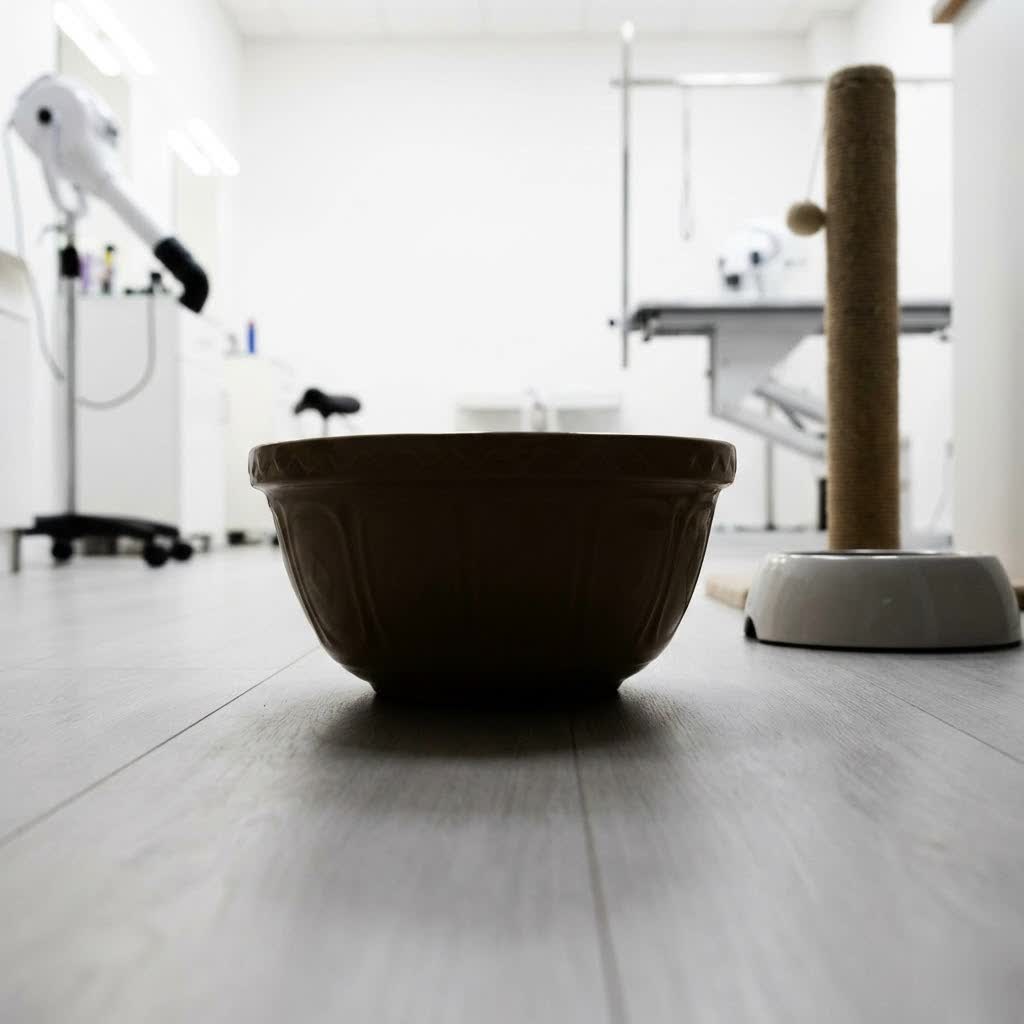
Why Embrace a Vintage Mixing Bowl Set in Your Kitchen?
Choosing a vintage mixing bowl set is more than just a decor decision; it’s a nod to quality, history, and sustainable living. These bowls offer a unique blend of benefits that resonate with both passionate bakers and those who simply appreciate beauty and durability.
Aesthetics and Nostalgia
|
Our Picks for the Best Mixing Bowl in 2026
As an Amazon Associate I earn from qualifying purchases.
|
||
| Num | Product | Action |
|---|---|---|
| 1 | Priority Chef Premium Mixing Bowls With Airtight Lids Set, Thicker Stainless Steel Mixing Bowl Set, Large Prep Metal Bowls with Lids, Nesting Bowls for Kitchen, 1.5/2/3/4/5 Qrt, Grey |

|
| 2 | Priority Chef Premium Mixing Bowls With Lids Set, Airtight Lids, Thicker Stainless Steel, Non-Slip Base, 5 Nesting Steel Bowls for Kitchen, Large Prep Metal Bowl Set 1.5/2/3/4/5 Qt, Khaki |
|
| 3 | Fox Run Brands 2.75-Quart Stainless Steel Mixing Bowl, 9 x 9 x 4 inches, Metallic |
|
| 4 | DUTZUN Mixing Bowls with Lids Set, Stainless Steel Mixing Bowls with Colander, Strainer with Mixing Bowl Set, Kitchen Gadgets Bowl Christams Gift, Size 4.5, 2.5, 2, 1.5QT - Black |
|
| 5 | Priority Chef Premium Mixing Bowls With Airtight Lids Set, Thicker Stainless Steel Mixing Bowl Set, Large Prep Metal Bowls with Lids, Nesting Bowls for Kitchen, 1.5/2/3/4/5 Qrt, Blue |
|
| 6 | Fox Run Stainless Steel Mixing Bowl, Purple, 2.75 Quart |
|
| 7 | Priority Chef Premium Mixing Bowls With Airtight Lids Set, Thicker Stainless Steel Mixing Bowl Set, Large Prep Metal Bowls with Lids, Nesting Bowls for Kitchen, 1.5/2/3/4/5 Qrt, Green |
|
| 8 | Priority Chef Premium Mixing Bowls With Airtight Lids Set, Thicker Stainless Steel Mixing Bowl Set, Large Prep Metal Bowls with Lids, Nesting Bowls for Kitchen, 1.5/2/3/4/5 Qrt, Red |
|
| 9 | Tupperware Impressions Classic Bowl Set, 4 Piece, Spring Colors, Raspberry, Tangerine, Lemon, Mint |
|
| 10 | Priority Chef Premium Mixing Bowls With Lids Set, Airtight Lids, Thicker Stainless Steel, Non-Slip Base, 5 Nesting Steel Bowls for Kitchen, Large Prep Metal Bowl Set 1.5/2/3/4/5 Qt, Black |
|
The immediate appeal of vintage mixing bowls lies in their distinctive looks. From vibrant Pyrex patterns that evoke mid-century charm to the earthy tones of antique yellowware, each set tells a visual story. These pieces often feature designs and colors that are no longer mass-produced, making them truly unique additions to your kitchen. Beyond their appearance, vintage bowls carry a sense of nostalgia, connecting us to simpler times and the warmth of grandmother’s kitchen. They transform everyday tasks into meaningful rituals.
Durability and Craftsmanship
Unlike some modern kitchenware, many vintage mixing bowls were built to last. Crafted from robust materials like thick glass, sturdy ceramic, or resilient enamel-coated steel, these bowls have withstood the test of time, proving their enduring quality. The craftsmanship often reflects an era when items were made with greater attention to detail and a focus on longevity, making them dependable tools for decades to come.
An Eco-Friendly Choice
Opting for vintage is also an environmentally conscious decision. By giving these beloved bowls a second life, you contribute to reducing waste and promoting a circular economy. It’s a sustainable way to furnish your kitchen with high-quality items without contributing to new manufacturing processes and their associated environmental impact.
Exploring Types of Vintage Mixing Bowl Sets by Material
The world of vintage mixing bowls is diverse, primarily defined by the materials used in their construction. Each material offers distinct characteristics, making certain types more suitable for specific kitchen tasks and aesthetic preferences.
Vintage Glass Mixing Bowls (Pyrex, Fire-King)
Vintage glass mixing bowls, notably from brands like Pyrex and Fire-King, are arguably the most iconic. Pyrex, in particular, introduced revolutionary heat-resistant glass in the early 20th century, making it a staple in American kitchens.
- Description: These sets typically feature nesting bowls in various sizes, often adorned with colorful patterns (like Pyrex’s Primary Colors, Butterprint, or Spring Blossom) or solid tinted glass. Fire-King often produced milk glass bowls with distinct patterns.
- Pros:
- Heat Resistance: Many glass bowls are oven and microwave safe, making them versatile for baking, serving, and reheating.
- Transparency: Allows you to easily see the contents and observe mixing progress.
- Durability: While glass can break if dropped, the tempered glass used by brands like Pyrex is remarkably resilient to thermal shock and everyday use.
- Easy to Clean: Non-porous surface resists stains and odors.
- Cons:
- Fragile: Prone to breaking or chipping if dropped on hard surfaces.
- Weight: Can be heavier than plastic or some metal alternatives.
- How to Identify: Look for embossed brand names (PYREX, FIRE-KING) on the bottom. Pyrex bowls from the 1940s may not have numbers, while later sets from the 1950s-70s typically do. Specific patterns and colorways are key indicators of era and authenticity.
Vintage Ceramic & Pottery Mixing Bowls (Mason Cash, Yellowware)
Ceramic and pottery bowls offer a rustic charm and substantial feel, connecting your kitchen to artisanal traditions. Mason Cash and Yellowware are two prominent examples.
- Description: Mason Cash bowls are famous for their distinctive creamy white pottery with intricate beige “cane” patterns on the exterior, designed for better grip. Yellowware, often unbranded or from companies like McCoy, features earthy yellow clay, frequently decorated with simple banded designs in white, blue, or brown. These are often nesting sets, showcasing subtle variations in craftsmanship.
- Pros:
- Stability: Their weight makes them very stable for vigorous mixing.
- Aesthetics: Offers a warm, traditional, or cottagecore aesthetic.
- Versatility: Many are suitable for both mixing and serving.
- Cons:
- Fragile: Can chip or break if dropped.
- Weight: Heavier than glass or metal bowls.
- Lead Glaze Concern: Very old yellowware pieces (especially early, pre-1900s) may contain lead in their glaze and should be used for decorative purposes only, not food preparation.
- How to Identify: Mason Cash bowls are typically marked. For yellowware, true vintage pieces might be unmarked or bear specific pottery company stamps like “McCoy” (1940s-1960s). Hand-thrown pieces might show slight imperfections, indicating an older origin. Reproductions from the 1990s might be marked “Over and Back.”
Vintage Enamelware Mixing Bowls
Enamelware bowls bring a cheerful, often speckled, aesthetic reminiscent of farmhouse or camping kitchens.
- Description: These bowls are made from steel or cast iron coated with porcelain enamel, often featuring a distinctive speckled or solid color finish. They commonly come in nesting sets.
- Pros:
- Lightweight: Easier to handle than glass or ceramic.
- Durability: Resistant to shattering from drops, unlike glass or ceramic.
- Nostalgic Look: Instantly recognizable and adds a retro touch.
- Cons:
- Chipping: The enamel coating can chip if struck hard, exposing the metal underneath.
- Rust: Chipped areas can rust if not properly cared for.
- Heat Transfer: Can get hot quickly if used for warm foods.
Essential Considerations When Choosing a Vintage Mixing Bowl Set
Finding the perfect vintage mixing bowl set requires attention to detail, balancing aesthetic appeal with practical considerations.
Condition is Key
When evaluating a vintage set, always prioritize condition. Look for:
- Chips and Cracks: Especially on rims and bases, which can affect durability and hygiene.
- Fading or Scratches: For patterned glass bowls, check for significant fading or dishwasher damage (also known as “etching”).
- Enamel Loss: For enamelware, extensive chipping exposes the base metal, which can rust and render the bowl unsuitable for food.
- Stains or Residue: While some minor wear is expected with age, heavy staining might indicate poor care or difficulty in cleaning.
Completeness and Nesting Functionality
Many vintage mixing bowls were sold as nesting sets of graduated sizes. A complete set is often more desirable for both collectors and practical users, as it offers a range of capacities and convenient storage. Ensure all pieces are present if you’re looking for a complete set.
Authenticity and Markings
Researching typical markings and patterns for specific brands (Pyrex, Fire-King, Mason Cash) will help you determine authenticity and approximate age. As noted, some older pieces might be unmarked, adding to the identification challenge but also their unique appeal.
Functionality for Your Needs
Consider how you intend to use the bowls. Are they primarily for display, or will they be workhorses in your kitchen?
- Size Range: Does the set offer a variety of sizes suitable for your typical baking and cooking tasks?
- Stability: Heavier ceramic or glass bowls offer excellent stability during mixing.
- Grip: Some designs, like Mason Cash with its textured exterior, are specifically designed for better handling.
Top Vintage Mixing Bowl Brands & Styles
Certain brands and styles have achieved iconic status in the vintage mixing bowl world, beloved for their quality, design, and enduring charm.
- Pyrex: The undisputed king of vintage glass mixing bowls. Look for the “Primary Colors” sets (blue, red, green, yellow), “Cinderella” bowls with pour spouts and handles, and patterned collections like “Butterprint,” “Gooseberry,” “Spring Blossom,” and “Verde.” These bowls are celebrated for their vibrant colors and nesting convenience.
- Mason Cash: A British classic, their distinctive cream-colored pottery bowls with exterior textured patterns have been kitchen staples since the 1800s. Known for their durability and timeless design, they are often referred to as “cane ware.”
- Fire-King: Produced by Anchor Hocking, Fire-King is known for its durable milk glass bowls, often featuring popular patterns like “Tulip,” “Harvest,” or solid jadeite green. They offer a slightly different aesthetic from Pyrex but share similar vintage appeal.
- Yellowware: While sometimes branded (e.g., McCoy), many desirable yellowware mixing bowls are unbranded. Their distinct yellow clay body, often decorated with simple bands, makes them instantly recognizable and highly collectible, embodying rustic American pottery.
- Gripstand (T.G. Green): A unique type of yellowware bowl distinguished by a cut-away section on its base, allowing the bowl to be tilted for easier whisking and stirring. It’s a blend of vintage aesthetics and practical innovation.
Caring for Your Cherished Vintage Mixing Bowl Set
To ensure your vintage mixing bowls continue to bring joy and utility for years to come, proper care is essential.
Gentle Cleaning is Paramount
Always use mild dish soap and a soft sponge or cloth. Avoid abrasive scrubbers, harsh chemicals, or steel wool, especially on patterned glass or enamelware, as these can scratch surfaces, fade patterns, or remove enamel. Handwashing is almost always recommended over dishwashers, as high heat and harsh detergents can damage older finishes and patterns.
Handling with Care
Vintage items, especially glass and ceramic, are more susceptible to breakage than modern counterparts. Handle them gently, avoid sudden temperature changes (unless specifically designed for it, like Pyrex), and store nesting sets carefully to prevent chipping.
Safety Notes for Older Pottery
As mentioned, very old yellowware or unglazed pottery pieces from before the mid-20th century might contain lead in their glazes. If you suspect an item is very old and unverified, it’s safest to use it for display only or consult an expert for testing before using it for food preparation.
Where to Unearth Your Perfect Vintage Mixing Bowl Set
The thrill of the hunt is part of the vintage experience. Here are the best places to find your ideal set:
- Antique Shops and Thrift Stores: These physical locations offer the chance to inspect items in person, though selection can be hit-or-miss. Prices can vary widely.
- Online Marketplaces (Etsy, eBay): These platforms host a vast selection of vintage items from individual sellers. You can often find specific brands, patterns, or materials. Always review seller ratings, item descriptions, and photos carefully.
- Specialized Vintage Kitchenware Retailers: Some online stores specialize in curated vintage kitchen items, often offering higher quality assurance but at a premium price.
- Reproduction/Vintage-Style New Sets: If authentic vintage isn’t feasible or you prefer brand-new items with a vintage aesthetic, many contemporary brands offer “vintage-style” or “retro-inspired” mixing bowl sets in ceramic, glass, or enamel. These give you the look without the age-related concerns.
Popular Vintage Mixing Bowl Materials – A Quick Comparison
| Material | Key Characteristics | Pros | Cons |
|---|---|---|---|
| Glass | Transparent, often patterned/tinted (Pyrex, Fire-King) | Heat-resistant, non-porous, easy to clean, shows contents | Fragile (can break/chip), heavier |
| Ceramic | Opaque, heavy, rustic (Mason Cash, Yellowware) | Very stable for mixing, traditional aesthetic, excellent for serving | Fragile (can break/chip), heavy, potential lead in very old glazes |
| Enamelware | Metal core with porcelain coating, often speckled | Lightweight, resistant to shattering, durable for drops | Enamel can chip, chipped areas may rust, gets hot quickly |
Conclusion
A vintage mixing bowl set is far more than just a collection of kitchen tools; it’s an investment in character, quality, and a connection to culinary history. Whether you’re drawn to the vibrant patterns of Pyrex, the timeless elegance of Mason Cash, or the rustic charm of yellowware, these pieces bring an unparalleled warmth and authenticity to your home. By understanding the different materials, knowing how to identify genuine vintage items, and caring for them properly, you can enjoy these beautiful and functional treasures for generations to come. So, why not let a piece of the past become an indispensable part of your kitchen’s present?
