Baking is a delightful alchemy where simple ingredients transform into delectable treats. Yet, even the most seasoned bakers know that success often hinges on the right tools. Among these, the humble mixing bowl stands as an indispensable workhorse, the unsung hero of countless culinary creations. Far from being a mere container, the perfect mixing bowl can elevate your baking experience, making every step from whisking egg whites to kneading dough a joy rather than a chore. If you’ve ever struggled with a bowl that slides, splatters, or simply doesn’t feel right, you understand the difference a well-chosen mixing bowl can make. This comprehensive guide will navigate the world of mixing bowls, helping you understand the nuances of materials, design, and capacity to ensure your baking journey is always smooth, efficient, and wonderfully delicious.
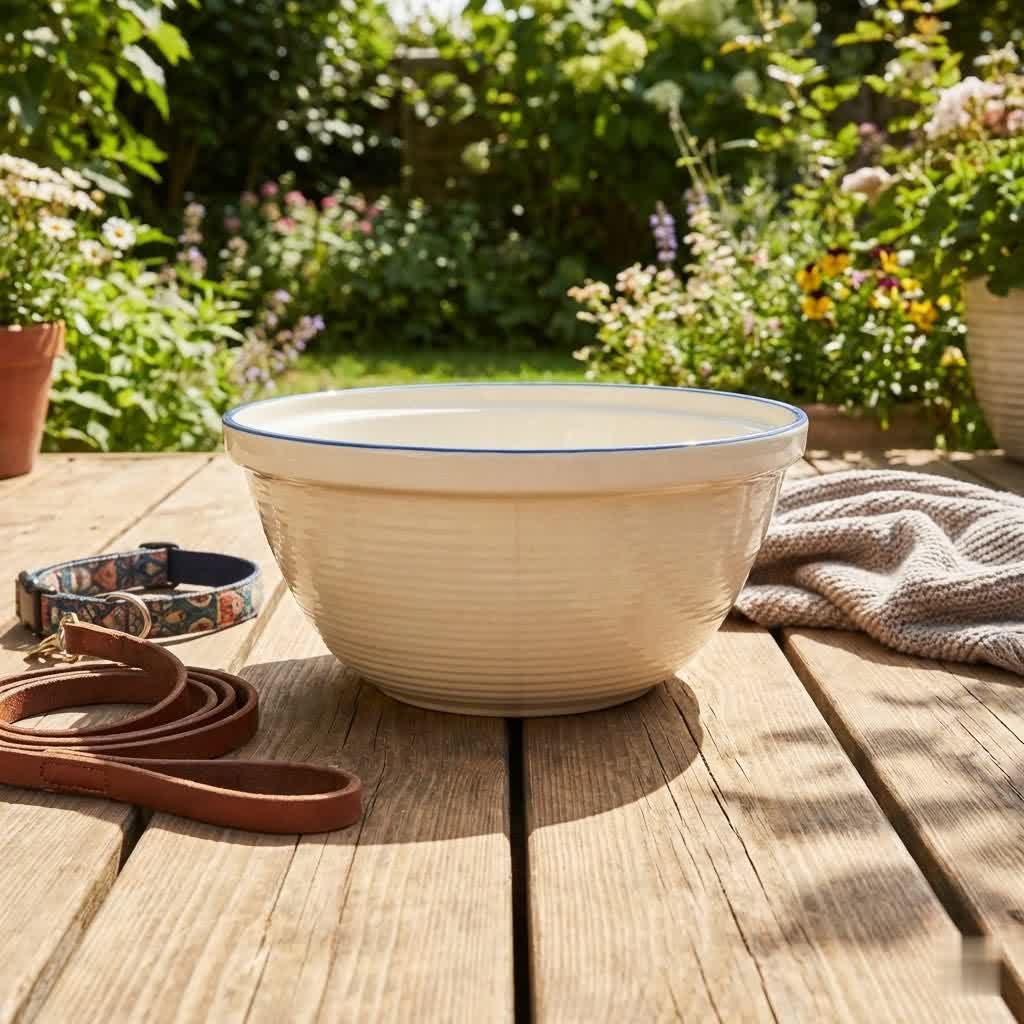
Mixing Bowls for Baking: Your Essential Guide
Choosing the ideal mixing bowl for baking involves more than just picking the prettiest option. It requires understanding how different materials and designs impact performance, durability, and ease of use. This section will delve into the critical aspects of selecting bowls that will become trusted companions in your kitchen.
Understanding Popular Mixing Bowl Materials
|
Our Picks for the Best Mixing Bowl in 2026
As an Amazon Associate I earn from qualifying purchases.
|
||
| Num | Product | Action |
|---|---|---|
| 1 | Tupperware Impressions Classic Bowl Set, 4 Piece, Spring Colors, Raspberry, Tangerine, Lemon, Mint |

|
| 2 | Priority Chef Premium Mixing Bowls With Airtight Lids Set, Thicker Stainless Steel Mixing Bowl Set, Large Prep Metal Bowls with Lids, Nesting Bowls for Kitchen, 1.5/2/3/4/5 Qrt, Blue |
|
| 3 | Fox Run Stainless Steel Mixing Bowl, Purple, 2.75 Quart |
|
| 4 | Priority Chef Premium Mixing Bowls With Airtight Lids Set, Thicker Stainless Steel Mixing Bowl Set, Large Prep Metal Bowls with Lids, Nesting Bowls for Kitchen, 1.5/2/3/4/5 Qrt, Grey |
|
| 5 | Priority Chef Premium Mixing Bowls With Lids Set, Airtight Lids, Thicker Stainless Steel, Non-Slip Base, 5 Nesting Steel Bowls for Kitchen, Large Prep Metal Bowl Set 1.5/2/3/4/5 Qt, Khaki |
|
| 6 | Priority Chef Premium Mixing Bowls With Lids Set, Airtight Lids, Thicker Stainless Steel, Non-Slip Base, 5 Nesting Steel Bowls for Kitchen, Large Prep Metal Bowl Set 1.5/2/3/4/5 Qt, Black |
|
| 7 | Priority Chef Premium Mixing Bowls With Airtight Lids Set, Thicker Stainless Steel Mixing Bowl Set, Large Prep Metal Bowls with Lids, Nesting Bowls for Kitchen, 1.5/2/3/4/5 Qrt, Red |
|
| 8 | Priority Chef Premium Mixing Bowls With Airtight Lids Set, Thicker Stainless Steel Mixing Bowl Set, Large Prep Metal Bowls with Lids, Nesting Bowls for Kitchen, 1.5/2/3/4/5 Qrt, Green |
|
| 9 | DUTZUN Mixing Bowls with Lids Set, Stainless Steel Mixing Bowls with Colander, Strainer with Mixing Bowl Set, Kitchen Gadgets Bowl Christams Gift, Size 4.5, 2.5, 2, 1.5QT - Black |
|
| 10 | Fox Run Brands 2.75-Quart Stainless Steel Mixing Bowl, 9 x 9 x 4 inches, Metallic |
|
The material of your mixing bowl significantly influences its suitability for various baking tasks. Each type comes with its own set of advantages and disadvantages.
Stainless Steel Mixing Bowls
Stainless steel bowls are a staple in both professional and home kitchens, celebrated for their robust nature and versatility. They are exceptionally durable, lightweight, and resistant to rust, odors, and stains. These bowls are particularly excellent for vigorous whisking tasks like whipping egg whites or cream, as they do not retain heat, allowing for better volume and stable peaks. Their non-reactive surface ensures that acidic ingredients won’t alter the taste of your batter. Furthermore, many stainless steel bowls are dishwasher safe and stackable, offering convenient storage. However, they are not microwave-safe and can be noisy when mixing with an electric hand mixer. The smooth interior might also make achieving maximum volume slightly more challenging compared to some other materials.
Glass Mixing Bowls
Glass mixing bowls, often made from borosilicate glass like Pyrex, offer unparalleled transparency, allowing you to visually monitor the consistency of your ingredients as you mix. This clear view is invaluable for ensuring batters are thoroughly combined and chocolate is perfectly melted. Glass bowls are non-reactive, microwave-safe, and won’t absorb flavors or odors, making them excellent for a wide range of tasks, including melting butter or chocolate directly in the microwave. They are also generally dishwasher safe. On the downside, glass bowls are heavier than stainless steel, can be more slippery when wet, and are prone to breaking if dropped. Their weight can make them less ideal for extended periods of hand-mixing.
Plastic Mixing Bowls
Modern plastic mixing bowls have evolved to be far more durable and functional than earlier versions. They are lightweight, affordable, and often come in vibrant colors, adding a cheerful touch to your kitchen. High-quality plastic bowls are typically shatterproof, making them a safe choice for households with children. Many are also dishwasher and microwave-safe, providing convenience. When choosing plastic, look for BPA-free options to ensure food safety. The main drawbacks include their susceptibility to scratching, staining, and absorbing odors over time. Fats can also stick to plastic, which can make whipping egg whites to stiff peaks incredibly tricky.
Ceramic Mixing Bowls
Ceramic mixing bowls are prized for their aesthetic appeal and ability to retain heat, which can be beneficial when working with yeast doughs that require a warm environment to rise. They are non-reactive and come in a vast array of colors and patterns, often doubling as attractive serving pieces. However, ceramic bowls are heavy and can be quite fragile, susceptible to chipping or breaking if handled roughly. They typically require more careful cleaning and storage. While some ceramic bowls are oven-safe, it’s essential to check manufacturer guidelines for heat resistance.
Other Notable Materials for Baking Bowls
While less common for primary baking tasks, other materials offer niche benefits:
- Silicone: Flexible, lightweight, non-stick, and easily stored. They are great for small tasks and can often go in the microwave and dishwasher.
- Copper: Historically used for whipping egg whites, as the copper ions react with the proteins to create a remarkably stable foam. However, they are expensive, require specific care, and can react with other acidic ingredients.
- Wood: Offers a rustic charm and is non-reactive. Wooden bowls require special care, including handwashing and regular oiling to prevent cracking, making them less practical for frequent, rigorous baking.
How to Choose the Perfect Baking Mixing Bowl
Selecting the right mixing bowl involves considering a few key factors that align with your baking habits and kitchen setup.
Capacity Matters: Sizing Up Your Needs
Having a range of mixing bowl sizes is crucial for any baker. Different recipes call for different volumes, and using an appropriately sized bowl prevents spills and allows for efficient mixing.
- Small (1-2 quarts): Ideal for whisking a few eggs, preparing small batches of frosting, mixing spices, or holding chopped ingredients for mise en place.
- Medium (3-4 quarts): Your everyday workhorse for mixing most cake batters, cookie doughs, and general prep tasks for family-sized meals.
- Large (5+ quarts): Essential for kneading bread dough, mixing large quantities for entertaining, or preparing big batches for meal prep. A deep, large bowl is also excellent for preventing splatters when using an electric mixer at high speeds.
Material Selection: Durability, Safety, and Performance
When choosing your bowl, weigh the pros and cons of each material against your primary baking needs. For durability and stability, stainless steel is often the preferred choice for professional-grade performance, especially for tasks involving vigorous mixing or chilling ingredients. If visibility is key—say, for ensuring even mixing or melting chocolate—glass bowls are unmatched. For safety and lightweight handling, particularly in busy kitchens or households with children, high-quality, BPA-free plastic can be a practical solution. Aesthetic appeal and heat retention make ceramic a beautiful option for certain doughs or for serving.
Ergonomic Design Features for Bakers
Beyond material and size, specific design elements can significantly enhance your mixing experience:
- Handles: Bowls with sturdy, integrated handles provide a secure grip, making it easier to hold the bowl steady while mixing or pour batter into pans. They keep your hands clean and offer better control.
- Non-Slip Bases: A silicone or rubberized base, or even a weighted bottom, prevents the bowl from sliding around on your countertop during vigorous mixing, enhancing safety and reducing frustration.
- Pour Spouts: A well-designed pour spout can save you from messy countertops by directing batters and liquids neatly into baking pans or other containers.
- Shape: Deep bowls with higher sides are excellent for preventing splatters when whisking aggressively or using electric mixers. Wider, shallower bowls can offer easier access for folding delicate mixtures gently without deflating them. Flared rims are also beneficial for clean pouring.
Top Brands and What They Offer
While specific product recommendations can become outdated, several brands consistently produce high-quality mixing bowls known for their thoughtful design and durability. Look for brands that offer sets with a good range of sizes, clear material specifications (e.g., BPA-free), and features like non-slip bases and ergonomic handles. Investing in a reputable brand often means better longevity and performance. Consider brands that prioritize ease of cleaning and versatile use across different baking techniques.
Comparison Table of Mixing Bowl Materials
| Material | Pros | Cons | Best For |
|---|---|---|---|
| Stainless Steel | Durable, lightweight, non-reactive, easy to clean, good for whipping egg whites | Not microwave-safe, can be noisy, smooth surface for whipping | Whisking, kneading, chilling, heavy-duty mixing |
| Glass | Transparent, microwave-safe, non-reactive, won’t absorb odors | Heavy, fragile, can be slippery | Melting, visual mixing, microwaving, serving |
| Plastic | Lightweight, affordable, shatterproof, many are microwave/dishwasher safe | Can scratch, absorb odors/stains, fats stick (tricky for egg whites) | Everyday mixing, child-friendly, lightweight tasks |
| Ceramic | Aesthetic, retains heat well (for doughs), non-reactive | Heavy, fragile (chips/breaks easily), requires careful handling | Yeast doughs, elegant serving, gentle mixing |
Top 5 Mixing Bowls Loved by Bakers
While specific models change, bakers consistently favor mixing bowls with certain characteristics that optimize the baking process.
- The Versatile Stainless Steel Set: A high-quality set of stainless steel bowls with graduated sizes is a cornerstone for any baker. Look for those with non-slip silicone bases and flared rims for clean pouring. Their durability and ease of cleaning make them perfect for everything from whisking meringue to mixing heavy bread dough.
- The Transparent Glass Workhorse: A sturdy set of glass mixing bowls, particularly those from brands known for borosilicate glass, is invaluable. Their transparency allows for precise monitoring of ingredients, and their microwave-safe nature makes melting butter or chocolate a breeze. An integrated handle can further enhance usability.
- The Ergonomic Plastic Duo: For quick tasks, lightweight handling, and kid-friendly baking, a set of BPA-free plastic bowls with ergonomic handles and non-slip bottoms is ideal. These are great for light batters, separating ingredients, and tasks where durability against drops is a priority.
- The Deep-Sided Whipping Bowl: Often found in stainless steel, a single, deep-sided mixing bowl with ample headspace is a dream for whisking egg whites or cream at high speeds. Its design minimizes splatters, keeping your workspace tidy and allowing for maximum aeration.
- The Aesthetic Ceramic Masterpiece: For bakers who appreciate both form and function, a beautifully crafted ceramic mixing bowl with good heat retention can be a favorite for slow-rising doughs or for beautifully presenting a finished salad. While requiring more care, its charm adds to the baking experience.
“The right mixing bowl isn’t just a container; it’s an extension of your hands, making precise mixing and folding intuitive and effortless.”
Tips for Cleaning and Maintaining Your Mixing Bowls
Proper care extends the life of your mixing bowls and keeps them hygienic for future baking adventures.
- Stainless Steel: Most are dishwasher safe. For stubborn residue, soak with warm soapy water before scrubbing. Avoid abrasive scrubbers that can scratch the surface.
- Glass: Typically dishwasher safe. For baked-on residue, a soak with hot water and baking soda can work wonders. Be careful with sudden temperature changes to prevent thermal shock.
- Plastic: Check for dishwasher safety. Handwashing is recommended for delicate plastics or to prevent odor absorption. Always ensure they are thoroughly dry before storing to prevent mildew. For stains, a paste of baking soda and water can help.
- Ceramic: Handwash with warm soapy water to protect glazes and prevent chipping. Avoid harsh abrasives. Store carefully to prevent knocks and breaks.
- General Care: Store bowls nested (if compatible) to save space, but place a cloth or paper towel between them to prevent scratches, especially for ceramic and glass. Ensure bowls are completely dry before storing to prevent water spots or mildew.
Where to Buy Mixing Bowls for Baking
Finding your perfect mixing bowls is easier than ever with numerous reliable options:
- Online Retailers: Websites like Amazon, Williams Sonoma, Sur La Table, and specialty kitchenware sites offer vast selections with detailed descriptions and customer reviews. Always check seller reputation and return policies.
- Home Goods and Department Stores: Stores such as Target, Walmart, Macy’s, and Bed Bath & Beyond often carry a range of mixing bowl sets from various brands.
- Specialty Kitchen Stores: Local kitchen supply stores often have knowledgeable staff who can provide personalized recommendations and allow you to physically handle the bowls before purchasing.
- Restaurant Supply Stores: For incredibly durable and functional stainless steel options, consider restaurant supply stores, which often sell professional-grade equipment at competitive prices.
When buying online, pay close attention to the listed dimensions, material specifications (e.g., “BPA-free”), and customer feedback regarding durability and performance for baking tasks.
Conclusion
The journey to finding the ideal mixing bowl for your baking endeavors is a worthwhile one, transforming your kitchen tasks from mere chores into moments of culinary delight. Whether you prioritize the durability of stainless steel, the transparency of glass, the practicality of plastic, or the charm of ceramic, understanding the unique attributes of each material is key. Consider size, ergonomic design, and ease of maintenance to make an informed choice that will serve you faithfully for years to come. With the right mixing bowls in your arsenal, you’re not just mixing ingredients; you’re crafting experiences and perfecting the art of baking.
What’s the next delicious creation you’ll embark on with your perfectly chosen mixing bowls?
Frequently Asked Questions
What is the best material for a mixing bowl specifically for baking?
For baking, stainless steel and glass are generally considered the best materials due to their non-reactive properties and versatility. Stainless steel excels in durability and whipping tasks, while glass offers transparency for monitoring and microwave safety. Your choice depends on the specific baking task and personal preference.
Can I use plastic mixing bowls for all baking needs?
While convenient and lightweight, plastic mixing bowls may not be ideal for all baking tasks. Fats can cling to plastic, hindering efforts to whip egg whites to stiff peaks. They can also absorb odors and stains over time. For general, lighter mixing, good quality, BPA-free plastic bowls are perfectly acceptable.
Why are deep mixing bowls recommended for whisking?
Deep mixing bowls are recommended for whisking, especially for tasks like whipping egg whites or cream, because their high sides effectively contain splatters. This allows for more vigorous whisking without creating a mess on your countertops and helps incorporate air more efficiently, leading to better volume.
How many mixing bowls do I actually need for baking?
A good starting point for any baker is a set of three mixing bowls with varying capacities: one small (1-2 quarts) for prep work, one medium (3-4 quarts) for most batters, and one large (5+ quarts) for bigger batches or doughs. This range covers the majority of baking needs efficiently.
Are mixing bowls with handles important for baking?
Mixing bowls with handles offer significant ergonomic advantages for baking. They provide a secure grip, making it easier to hold the bowl steady while mixing, whisking, or kneading. Handles also allow for cleaner pouring of batters into pans, reducing spills and maintaining a tidy workspace.
