Baking bread is a delightful art, a blend of science and passion that culminates in the aroma of freshly baked goodness filling your home. Every baker knows that the right tools can elevate this experience, and at the heart of nearly every bread recipe lies one indispensable item: the mixing bowl. But with a myriad of options available, how do you choose the perfect Bread Mixing Bowl that stands up to vigorous kneading, supports ideal proofing, and lasts for years? Let’s dive into the world of mixing bowls, focusing on what truly matters for your bread-making journey.
Exploring Popular Bread Mixing Bowl Materials
The material of your mixing bowl significantly impacts its performance, durability, and suitability for various bread-making stages. Each type offers distinct advantages and disadvantages.
Stainless Steel Mixing Bowls
|
Our Picks for the Best Mixing Bowl in 2026
As an Amazon Associate I earn from qualifying purchases.
|
||
| Num | Product | Action |
|---|---|---|
| 1 | Tupperware Impressions Classic Bowl Set, 4 Piece, Spring Colors, Raspberry, Tangerine, Lemon, Mint |

|
| 2 | Priority Chef Premium Mixing Bowls With Airtight Lids Set, Thicker Stainless Steel Mixing Bowl Set, Large Prep Metal Bowls with Lids, Nesting Bowls for Kitchen, 1.5/2/3/4/5 Qrt, Red |
|
| 3 | Fox Run Stainless Steel Mixing Bowl, Purple, 2.75 Quart |
|
| 4 | DUTZUN Mixing Bowls with Lids Set, Stainless Steel Mixing Bowls with Colander, Strainer with Mixing Bowl Set, Kitchen Gadgets Bowl Christams Gift, Size 4.5, 2.5, 2, 1.5QT - Black |
|
| 5 | Fox Run Brands 2.75-Quart Stainless Steel Mixing Bowl, 9 x 9 x 4 inches, Metallic |
|
| 6 | Priority Chef Premium Mixing Bowls With Lids Set, Airtight Lids, Thicker Stainless Steel, Non-Slip Base, 5 Nesting Steel Bowls for Kitchen, Large Prep Metal Bowl Set 1.5/2/3/4/5 Qt, Khaki |
|
| 7 | Priority Chef Premium Mixing Bowls With Airtight Lids Set, Thicker Stainless Steel Mixing Bowl Set, Large Prep Metal Bowls with Lids, Nesting Bowls for Kitchen, 1.5/2/3/4/5 Qrt, Grey |
|
| 8 | Priority Chef Premium Mixing Bowls With Airtight Lids Set, Thicker Stainless Steel Mixing Bowl Set, Large Prep Metal Bowls with Lids, Nesting Bowls for Kitchen, 1.5/2/3/4/5 Qrt, Blue |
|
| 9 | Priority Chef Premium Mixing Bowls With Lids Set, Airtight Lids, Thicker Stainless Steel, Non-Slip Base, 5 Nesting Steel Bowls for Kitchen, Large Prep Metal Bowl Set 1.5/2/3/4/5 Qt, Black |
|
| 10 | Priority Chef Premium Mixing Bowls With Airtight Lids Set, Thicker Stainless Steel Mixing Bowl Set, Large Prep Metal Bowls with Lids, Nesting Bowls for Kitchen, 1.5/2/3/4/5 Qrt, Green |
|
Stainless steel bowls are a favorite among many bakers due to their exceptional durability and versatility. They are lightweight, resistant to rust, cracking, and chipping, making them robust companions for heavy mixing and kneading. A key advantage is their ability to be easily chilled or warmed, which is crucial for controlling dough temperature, especially for yeast breads. However, they are generally not microwave-safe.
Glass Mixing Bowls
Glass bowls offer a unique advantage: transparency. This allows you to easily monitor the dough’s consistency and observe its rise during proofing without disturbing it. Made from tempered glass, they are often non-reactive, meaning they won’t absorb odors or flavors, ensuring the purity of your dough’s taste. Many glass bowls are also microwave and oven-safe, adding to their versatility, though they are heavier and more prone to breakage if dropped.
Ceramic (Earthenware) Mixing Bowls
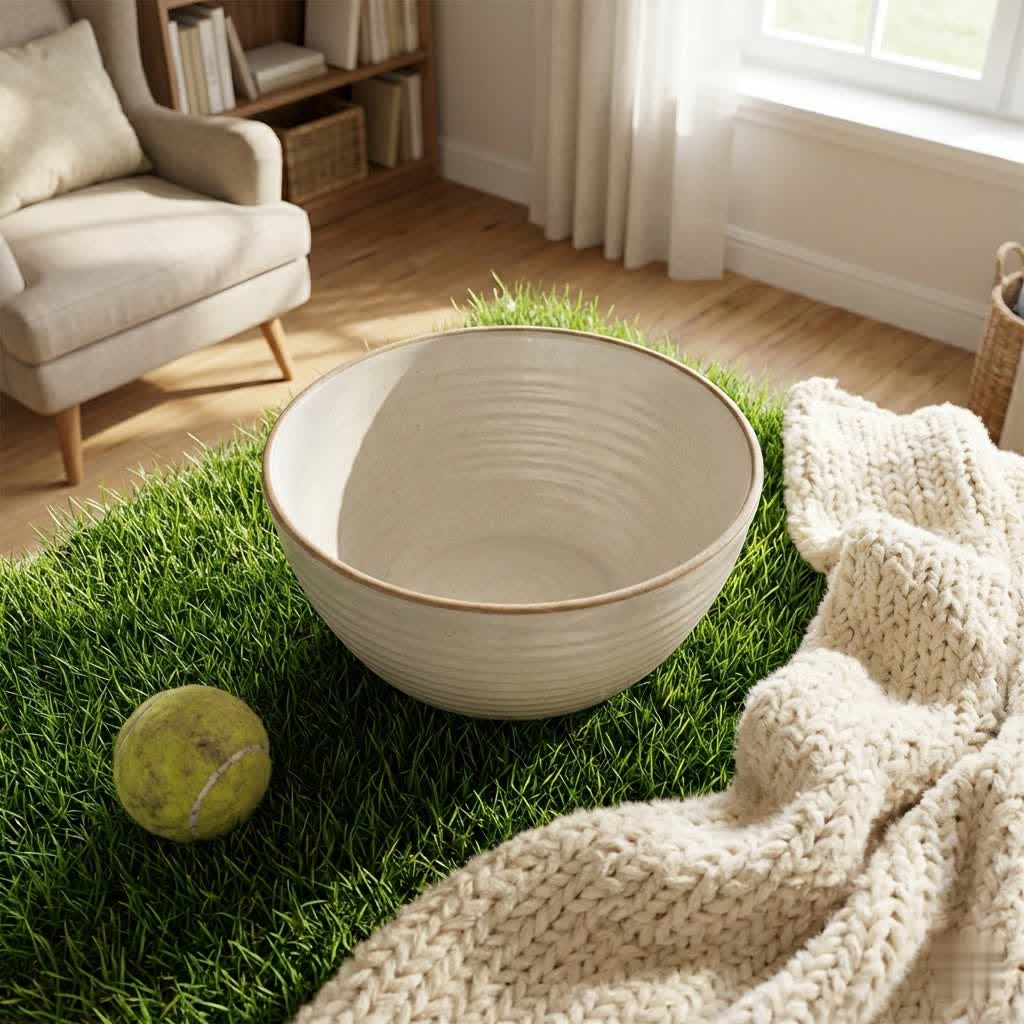
Ceramic bowls, often recognized by their beautiful designs and colors, bring both aesthetic appeal and practical benefits to bread making. Their substantial weight provides excellent stability during vigorous mixing and kneading, preventing slippage on countertops. Furthermore, ceramic retains heat exceptionally well, creating a stable, warm environment that can aid in the dough’s rising process. However, they can be heavy and are susceptible to chipping or breaking.
Plastic Mixing Bowls
Plastic bowls are typically lightweight and more affordable, making them a common choice for everyday kitchen tasks. They are non-reactive and won’t shatter if dropped, offering a degree of durability. However, plastic can scratch over time, potentially harboring bacteria, and may absorb odors or stains. While suitable for light mixing, some plastics might retain fats, making tasks like whipping egg whites challenging. Look for BPA-free options for safety.
Silicone Mixing Bowls
Gaining popularity, silicone bowls are known for being lightweight, flexible, and often collapsible for easy storage. They are temperature-proof, non-stick, and simple to clean, with some being microwave and dishwasher-safe. The flexibility can be a boon for easily scraping out sticky doughs. However, some bakers find the “swishy” texture less appealing, and silicone can occasionally retain strong odors.
Essential Considerations When Choosing a Bread Mixing Bowl
Selecting the right mixing bowl goes beyond just material; several design and functional aspects contribute to a seamless bread-making experience.
Capacity
For bread making, size truly matters. Bread dough requires ample space to mix, knead, and especially to rise. Common capacities range from 1 to 8 quarts or more. For most home bakers, a large bowl of at least 5 quarts (around 4.7 liters) is ideal for mixing and initial proofing, providing enough room for the dough to double in size. A set with varying capacities can be incredibly useful, offering smaller bowls for measuring ingredients and larger ones for the main dough.
Material Deep Dive
- Stainless Steel: Best for durability, easy temperature control (chilling/warming), and robust mixing. Avoid microwave use.
- Glass: Excellent for visibility during proofing, non-reactive, and versatile for microwave/oven (if tempered). Heavier and fragile.
- Ceramic: Offers stability, good heat retention for proofing, and can double as a serving piece. Heavy and prone to chipping.
- Plastic: Lightweight, inexpensive, and shatter-resistant. Can scratch, stain, and absorb odors. Check for BPA-free.
- Silicone: Flexible, lightweight, non-stick, and good for easy dough removal. May feel less substantial.
Design Features
- Handles and Pour Spouts: While less critical for kneading bread dough, ergonomic handles can provide a secure grip, especially when handling heavy doughs or transferring them. Pour spouts are beneficial for batters but often not a primary need for bread.
- Non-Slip Base: A non-slip silicone or rubber base is a game-changer. It prevents the bowl from sliding around on your countertop during vigorous mixing and kneading, ensuring stability and safety.
- Deep Sides and Wide Mouth: Deep sides help contain ingredients, preventing flour and dough from splattering during mixing. A wide mouth offers easy access for hand-kneading and allows you to work the dough effectively within the bowl.
- Nesting Design: For kitchens with limited space, sets that nest neatly within each other are a fantastic space-saving solution, allowing you to have multiple sizes without cabinet clutter.
- Lids: Bowls with tight-fitting lids are incredibly convenient for proofing dough, as they create a sealed environment that helps retain moisture and warmth, vital for yeast activation and rise. Lids also make storing dough in the refrigerator hassle-free.
Table: Comparing Common Mixing Bowl Materials
| Material | Pros | Cons | Ideal for Bread Making |
|---|---|---|---|
| Stainless Steel | Durable, lightweight, temperature control, easy to clean | Not microwave-safe, can be noisy | Mixing, kneading, controlling dough temperature (chilling for slow ferments, warming for proofing) |
| Glass | Transparent (visibility), non-reactive, microwave-safe (tempered) | Heavy, fragile (can break), can be sensitive to thermal shock | Observing dough rise, non-reactive mixing |
| Ceramic | Heavy (stable), excellent heat retention, attractive | Heavy, prone to chipping/breaking | Kneading, proofing (warm environment), stable mixing |
| Plastic | Lightweight, affordable, shatter-resistant | Can scratch, stain, absorb odors, not always heat-resistant | Light mixing, proofing (if BPA-free and with lid) |
| Silicone | Flexible, non-stick, collapsible, lightweight | Can retain odors, may feel less sturdy | Mixing, easy dough removal, proofing |
Top 5 Mixing Bowls for Bread Enthusiasts
When it comes to crafting the perfect loaf, certain mixing bowls stand out for their functionality and features. Here are some top contenders that consistently receive high marks from home bakers:
- OXO Good Grips 3-Piece Stainless Steel Mixing Bowl Set: Renowned for their non-slip bases and comfortable grips, these bowls offer stability and ease of use. Their deep shape is excellent for containing ingredients during vigorous mixing, and the stainless steel material is durable.
- Pyrex 3-Piece Glass Mixing Bowl Set: A classic for a reason, Pyrex glass bowls are durable, non-reactive, and allow for clear visibility of your dough. They are versatile, often safe for microwave, oven, fridge, and freezer, making them great for proofing and storage.
- Cuisinart Stainless Steel Mixing Bowls with Lids: This set combines the durability of stainless steel with the added benefit of secure, leak-proof lids, perfect for proofing dough and storing leftovers. They are deep-sided to prevent splashes and nest for easy storage.
- Mason Cash Earthenware Mixing Bowls: With their iconic design and sturdy earthenware construction, these bowls provide excellent stability and heat retention, which can be beneficial for dough that needs a warm environment to rise. They are also aesthetically pleasing enough for serving.
- FineDine Premium Stainless Steel Mixing Bowls (with Lids): Offering a comprehensive range of sizes and often including lids, FineDine provides sturdy stainless steel bowls that are ideal for various baking tasks, from small ingredient prep to large dough batches.
Mastering Cleaning and Maintenance for Your Mixing Bowls
Proper care extends the life of your mixing bowls and keeps them hygienic for all your culinary adventures.
- Stainless Steel: Most stainless steel bowls are dishwasher-safe. For sticky dough residue, a quick soak in warm, soapy water before washing helps immensely. Avoid abrasive scrubbers to prevent scratching.
- Glass: Tempered glass bowls are generally dishwasher-safe. To prevent thermal shock that could lead to breakage, avoid sudden temperature changes (e.g., placing a hot bowl directly into cold water).
- Ceramic: While many ceramic bowls are dishwasher-safe, hand washing is often recommended to preserve their finish and prevent chipping, especially for decorative pieces. Avoid harsh detergents and abrasive sponges.
- Plastic: Check manufacturer instructions, but most plastic bowls are dishwasher-safe. However, hand washing can help prevent odors and stains from setting in. Be cautious with high heat, which can warp some plastics.
- Silicone: Silicone is typically dishwasher-safe. Its non-stick properties make hand cleaning easy with warm, soapy water. If odors develop, try soaking in a vinegar solution.
Where to Find Your Ideal Bread Mixing Bowl
Finding the perfect mixing bowl is easier than ever with a variety of shopping avenues:
- Department Stores & Home Goods Retailers: Stores like Target or Macy’s offer a wide selection of brands and materials, allowing you to see and feel the bowls before purchasing.
- Specialty Kitchen Stores: Shops dedicated to culinary tools often have higher-end or more specialized mixing bowls, and staff can provide expert advice.
- Online Marketplaces: Websites like Amazon, Wayfair, or Breadtopia offer an extensive range, often with competitive pricing and detailed customer reviews. When buying online, always check seller reputation and read reviews carefully to ensure product quality and accurate descriptions.
> “The right mixing bowl isn’t just a container; it’s an extension of your hands, making the kneading and proofing of dough a truly satisfying experience.” – Admin, ReviewerAMZ.com, Appliance Expert
Conclusion
Choosing the ideal bread mixing bowl is a small investment that yields significant returns in your baking journey. Whether you prioritize the robust durability of stainless steel, the visual clarity of glass, or the heat-retaining stability of ceramic, understanding the unique characteristics of each material and design feature will empower you to make an informed decision. With the perfect bowl in hand, you’re not just mixing ingredients; you’re crafting delicious memories, one perfect loaf at a time. What will be the first delicious bread you create in your new favorite mixing bowl?
Frequently Asked Questions
What capacity mixing bowl is best for bread dough?
For most home bread baking, a mixing bowl with at least a 5-quart (approximately 4.7 liters) capacity is recommended. This size provides ample room for effective mixing and allows the dough to double in size during the crucial proofing stages without overflowing.
Is stainless steel or ceramic better for proofing bread?
Both stainless steel and ceramic bowls can work well for proofing. Ceramic bowls excel at retaining heat, which can create a stable, warm environment ideal for yeast activity. Stainless steel bowls can be gently warmed if needed, offering good versatility, and often come with lids that help maintain humidity for proofing.
Can I knead bread dough in any mixing bowl?
While you can technically start dough in most bowls, for efficient and comfortable kneading, a large, sturdy bowl with deep sides and a wide mouth is best. Materials like stainless steel or heavy ceramic provide stability, preventing the bowl from moving while you work the dough.
Why do some bakers prefer glass bowls for bread?
Many bakers prefer glass bowls for bread due to their transparency. This allows them to easily observe the dough’s consistency during mixing and, more importantly, visibly monitor the dough’s rise during proofing without having to open the lid or disturb the dough, which can be crucial for sensitive yeast doughs.
