Step into any antique shop or browse an online marketplace, and you might stumble upon a hidden gem: an antique mixing bowl set. Far more than mere kitchen tools, these storied pieces offer a tangible connection to culinary history, holding tales of countless meals prepared and memories made. For collectors, home decorators, and those simply seeking a touch of vintage charm, understanding the world of antique mixing bowls can transform a simple purchase into a meaningful acquisition. Join us as we explore the captivating history, diverse materials, and enduring appeal of these cherished kitchen classics.
Popular Types of Antique Mixing Bowl Sets
Antique mixing bowls come in a delightful array of materials, each boasting unique characteristics, historical significance, and aesthetic appeal. Identifying these types is the first step in appreciating their value and charm.
By Material
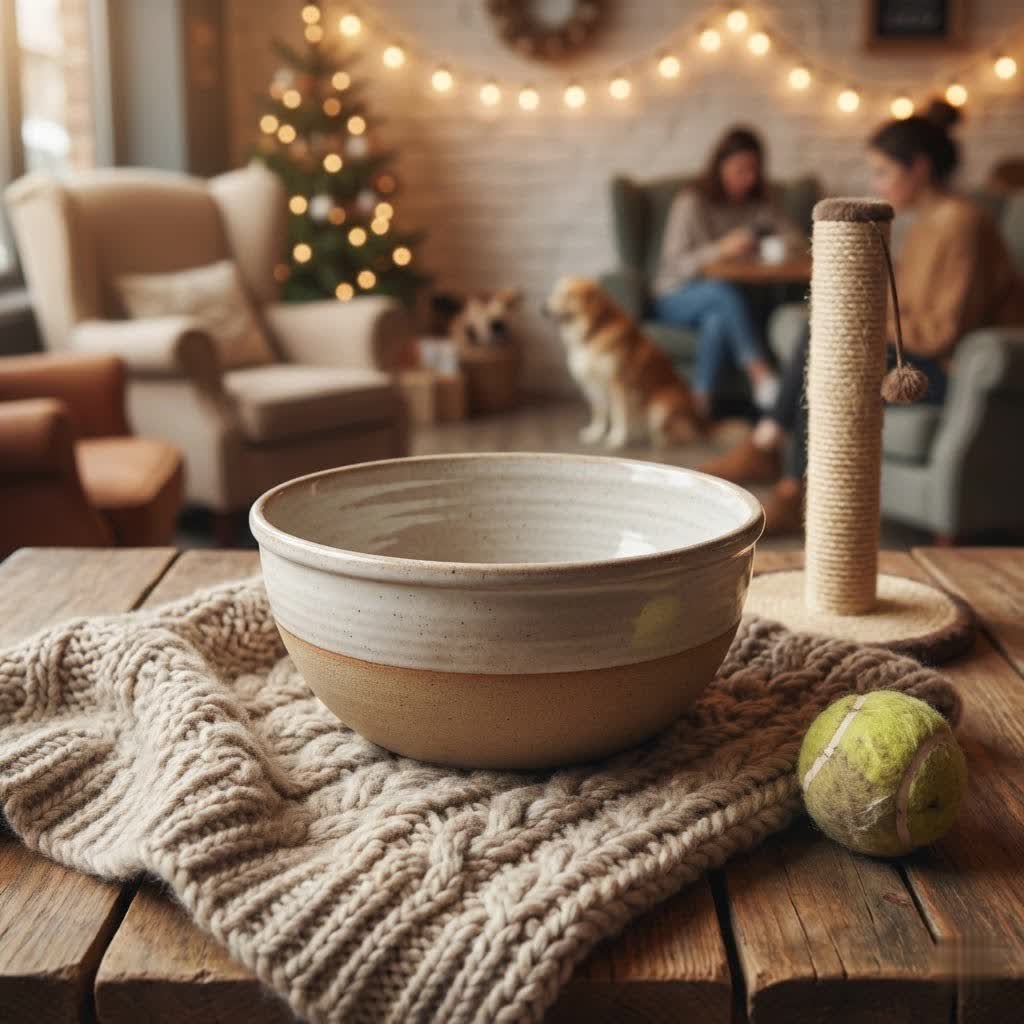
- Stoneware and Pottery: These are perhaps the most classic forms of antique mixing bowls.
- Yellowware: Originating in the 19th century, yellowware bowls are distinctive for their creamy to mustard-yellow clay body, often adorned with blue, white, or brown banding. Some rare pieces feature intricate “mocha ware” designs resembling seaweed or trees, created by dropping a chemical solution onto the wet glaze. Brands like McCoy Pottery produced sought-after yellow earthenware with iconic pink and blue bands. These bowls are celebrated for their robustness and rustic charm, ideal for heavy-duty mixing and a true farmhouse aesthetic.
- Spongeware: Another ceramic favorite, spongeware bowls feature a dappled, sponge-applied decoration, typically in blue or brown on a lighter background. Makers like Red Wing Stoneware were known for this technique in the early 20th century. Spongeware bowls are highly prized for their unique, handcrafted appearance.
- Mason Cash: An iconic British brand, Mason Cash bowls have been a kitchen staple since the 1800s. Recognizable by their creamy white or cane-colored pottery and distinctive patterned exteriors, these bowls are renowned for their durability and timeless design, making them a favorite for both bakers and collectors.
- Glass: Vintage glass mixing bowls, particularly from the mid-20th century, are immensely popular.
- Pyrex: Corning’s Pyrex opalware, introduced in 1945, revolutionized the kitchen with its vibrant colors and durable patterns. Pyrex mixing bowl sets are easily identified by their nesting design and iconic motifs like “Gooseberry,” “Butterprint” (often called Amish), “Primary Colors,” and “Starburst.” These bowls are prized for their heat resistance and vibrant retro aesthetic, perfect for everyday baking or display.
- Fire-King (Anchor Hocking): Known for its milky-green Jadite glass, Fire-King bowls offer a cheerful pop of color. While similar in style to Pyrex, Fire-King often featured distinct shapes and patterns, including “splash-proof” designs and polka dots.
- Melamine: Less common in early antiques but prevalent in mid-century vintage, melamine bowls like those from Texas Ware are known for their lightweight durability and unique speckled “confetti” patterns in muted colors. These offer a distinct retro appeal for collectors.
- Wood: Primitive wooden mixing or dough bowls, often hand-turned from maple or other hardwoods, represent some of the earliest forms of kitchenware. They are valued for their rustic simplicity, natural beauty, and historical significance, often showing signs of heavy use and patination.
|
Our Picks for the Best Mixing Bowl in 2026
As an Amazon Associate I earn from qualifying purchases.
|
||
| Num | Product | Action |
|---|---|---|
| 1 | Priority Chef Premium Mixing Bowls With Lids Set, Airtight Lids, Thicker Stainless Steel, Non-Slip Base, 5 Nesting Steel Bowls for Kitchen, Large Prep Metal Bowl Set 1.5/2/3/4/5 Qt, Khaki |

|
| 2 | Fox Run Brands 2.75-Quart Stainless Steel Mixing Bowl, 9 x 9 x 4 inches, Metallic |
|
| 3 | Priority Chef Premium Mixing Bowls With Airtight Lids Set, Thicker Stainless Steel Mixing Bowl Set, Large Prep Metal Bowls with Lids, Nesting Bowls for Kitchen, 1.5/2/3/4/5 Qrt, Green |
|
| 4 | Priority Chef Premium Mixing Bowls With Lids Set, Airtight Lids, Thicker Stainless Steel, Non-Slip Base, 5 Nesting Steel Bowls for Kitchen, Large Prep Metal Bowl Set 1.5/2/3/4/5 Qt, Black |
|
| 5 | DUTZUN Mixing Bowls with Lids Set, Stainless Steel Mixing Bowls with Colander, Strainer with Mixing Bowl Set, Kitchen Gadgets Bowl Christams Gift, Size 4.5, 2.5, 2, 1.5QT - Black |
|
| 6 | Fox Run Stainless Steel Mixing Bowl, Purple, 2.75 Quart |
|
| 7 | Tupperware Impressions Classic Bowl Set, 4 Piece, Spring Colors, Raspberry, Tangerine, Lemon, Mint |
|
| 8 | Priority Chef Premium Mixing Bowls With Airtight Lids Set, Thicker Stainless Steel Mixing Bowl Set, Large Prep Metal Bowls with Lids, Nesting Bowls for Kitchen, 1.5/2/3/4/5 Qrt, Grey |
|
| 9 | Priority Chef Premium Mixing Bowls With Airtight Lids Set, Thicker Stainless Steel Mixing Bowl Set, Large Prep Metal Bowls with Lids, Nesting Bowls for Kitchen, 1.5/2/3/4/5 Qrt, Blue |
|
| 10 | Priority Chef Premium Mixing Bowls With Airtight Lids Set, Thicker Stainless Steel Mixing Bowl Set, Large Prep Metal Bowls with Lids, Nesting Bowls for Kitchen, 1.5/2/3/4/5 Qrt, Red |
|
Guide to Selecting an Antique Mixing Bowl Set
Choosing an antique mixing bowl set goes beyond mere aesthetics; it involves a careful consideration of several practical and historical factors.
Capacity
Antique mixing bowls, especially nesting sets, come in various sizes.
- Small (1-2 quarts): Ideal for whisking eggs, preparing dressings, or small ingredient prep.
- Medium (2-4 quarts): Versatile for everyday baking, mixing batters, and small salads.
- Large (4+ quarts): Essential for bread dough, large batches of cookies, or serving substantial salads.
When choosing, consider your typical cooking and baking habits. A complete nesting set often provides the most versatility, allowing you to tackle a range of culinary tasks.
Material
Each material offers distinct advantages and a unique character.
- Stoneware/Pottery: Highly durable and heavy, providing stability during vigorous mixing. They often have a charming, rustic look. However, they can be prone to chipping or cracking if dropped and are generally not microwave safe unless specified. Look for rich glazes and intricate banding.
- Glass (Pyrex, Fire-King): Transparent glass allows for easy monitoring of contents and is generally oven and microwave safe (though antique pieces should be used with care). They are non-reactive and do not absorb odors or stains. The main drawback is their susceptibility to breakage. Vibrant patterns and colors are a major draw for collectors.
- Melamine (Texas Ware): Lightweight and chip-resistant, melamine is practical for everyday use. It’s not typically microwave or oven safe, and can scratch over time. Its unique speckled patterns define its vintage appeal.
- Wood: Excellent for dough rising and dry mixing, as wood is naturally warm and slightly porous. They require hand washing and occasional oiling to prevent drying and cracking. Wooden bowls bring an organic, primitive touch to any kitchen.
Safety Note: For plastic or melamine bowls, ensure they are BPA-free if you plan to use them for food preparation, although many true antique pieces predate BPA concerns. For glass, inspect for any signs of heat damage or “sick glass” (a hazy, etched appearance) which can indicate weakened integrity.
Design
Beyond material, the design elements of an antique mixing bowl set significantly influence its appeal and functionality.
- Handles and Spouts: Some bowls, particularly Pyrex “Cinderella” bowls, feature integrated handles or spouts, making pouring and holding easier.
- Non-Slip Base: While rare in very old pieces, some vintage stoneware or pottery bowls might have a slightly textured base for added stability. For others, a damp cloth underneath can achieve a similar effect.
- Shape: Deep, rounded bowls are ideal for whisking and preventing splatters. Flared rims can make scraping easier. For those using stand mixers, ensure the bowl’s shape and size are compatible if you intend to use them together.
- Nesting vs. Individual: Nesting sets are highly desirable for their space-saving storage and aesthetic coherence.
Brand Reputation
Certain brands are synonymous with quality and collectibility in the antique mixing bowl world.
- Pyrex: The gold standard for vintage glass, offering a vast array of patterns and colors.
- Mason Cash: Renowned for its durable, iconic stoneware designs.
- McCoy: Sought after for its distinct pottery and glazes.
- Red Wing: Valued for its early spongeware.
- Texas Ware: A favorite for mid-century melamine collectors.
Researching the specific brand, its history, and typical markings can greatly assist in authenticating and valuing your find. Prices vary significantly based on brand, rarity, condition, and completeness of the set.
Comparison Table: Common Antique Mixing Bowl Materials
| Material | Pros | Cons | Best Suited For |
|---|---|---|---|
| Stoneware/Pottery | Extremely durable, stable (heavy), rustic aesthetic | Can chip/crack, generally not microwave-safe | Heavy mixing, dough rising, farmhouse decor |
| Glass (Pyrex) | Non-reactive, transparent, often colorful patterns | Fragile, can break if dropped or thermal shocked | Whipping, batters, display, oven-safe cooking (careful) |
| Melamine | Lightweight, chip-resistant, vibrant patterns | Not heat-safe (oven/microwave), can scratch | Light mixing, serving, retro decor |
| Wood | Natural, traditional, excellent for dough | Requires hand washing, can absorb odors/stains | Kneading dough, dry ingredient mixing |
Top 5 Highly Sought-After Antique Mixing Bowl Sets
While many antique mixing bowls are charming, some sets stand out for their rarity, iconic design, and significant collector value.
- Pyrex Gooseberry Pink Cinderella Bowl Set: These mid-century glass bowls feature a delicate white floral and berry design on a soft pink background. Their unique two-handled “Cinderella” shape and nesting design make complete sets (typically four bowls) highly desirable.
- Yellowware Banded Mixing Bowl Sets (19th Century): Especially early nesting sets with distinct blue or white bands, or rare “mocha ware” patterns, are prized. Their robust, utilitarian design and rich history make them a cornerstone of country kitchen collections.
- Pyrex Butterprint (Amish) Mixing Bowl Set: Featuring an iconic Amish-inspired design with corn stalks and geese, the Butterprint pattern (especially turquoise on white or the rarer orange on white) is a favorite among Pyrex enthusiasts. Full nesting sets in excellent condition can fetch premium prices.
- McCoy Pink and Blue Over Proof Bowl Set: These distinctive yellow earthenware bowls with light pink and blue bands are challenging to find as complete nesting sets in pristine condition. Their unique markings and robust construction make them a significant find for pottery collectors.
- Texas Ware Confetti Mixing Bowl Set: Representing the vibrant 1950s-1960s, these melamine bowls with their unique speckled “confetti” pattern in muted colors are a nostalgic collector’s item, offering a splash of retro cool.
Each of these sets, when found in excellent condition with clear maker’s marks, represents a valuable piece of kitchen history and a wise investment for collectors.
Tips for Cleaning and Preserving Antique Mixing Bowls
Proper care is crucial to maintaining the beauty and value of your antique mixing bowl set. Different materials require specific attention.
- General Rule: Always hand wash antique bowls. The harsh detergents and high heat of dishwashers can damage glazes, fade patterns, and even weaken materials over time. Use warm, soapy water and a soft cloth or sponge.
- Glass (Pyrex, Fire-King): Avoid abrasive cleaners or scouring pads that can scratch the surface or dull patterns. For stubborn stains, a baking soda paste can be gently applied, but always test a small, inconspicuous area first. Prevent “sick glass” by avoiding extreme temperature changes.
- Stoneware/Pottery (Yellowware, Mason Cash, McCoy): These are generally quite durable but can chip. Avoid sudden temperature shifts. For stains, a mild bleach solution (diluted) can sometimes be used sparingly, but rinse thoroughly. Do not use metal scouring pads, which can scratch glazes.
- Melamine (Texas Ware): While chip-resistant, melamine can scratch. Use soft cloths and non-abrasive cleaners. Avoid prolonged exposure to direct sunlight, which can cause colors to fade.
- Wood: Never soak wooden bowls. Wash quickly with mild soap and water, then dry immediately. Periodically rub with food-grade mineral oil or beeswax to keep the wood nourished and prevent drying or cracking.
Storage: Store nesting sets carefully to prevent chipping. Placing a soft cloth or paper towel between bowls can offer protection. Keep antique bowls out of direct sunlight to prevent fading of colors and patterns.
Where to Find Your Next Antique Mixing Bowl Set
The hunt for antique mixing bowls can be as rewarding as the find itself. Several avenues exist for discovering these kitchen treasures.
- Antique Shops and Flea Markets: These are excellent places to find unique, often un-cataloged pieces. You can inspect the condition in person and often negotiate prices.
- Estate Sales and Auctions: Estate sales are prime opportunities to acquire pieces from original owners, sometimes as complete sets. Auctions, both local and online, can offer rare and high-value items.
- Online Marketplaces: Websites like eBay, Etsy, and specialized antique dealer sites (e.g., 1stDibs) provide a vast selection, allowing you to search for specific brands, patterns, or materials. When buying online, always scrutinize photos, read descriptions carefully, and inquire about any imperfections. Choose reputable sellers with good reviews.
- Specialized Collector Forums and Groups: Online communities dedicated to Pyrex, yellowware, or vintage kitchenware can be great resources for buying, selling, and learning from experienced collectors.
When purchasing, always prioritize condition, authenticity (look for maker’s marks!), and completeness, especially for sets. Don’t hesitate to ask sellers for more photos or details before committing.
The appeal of an antique mixing bowl set lies in its blend of history, utility, and aesthetic charm. Whether you’re a seasoned collector or just starting to appreciate the beauty of vintage kitchenware, these pieces offer a delightful way to infuse your home with character and connect with culinary traditions of the past. From the vibrant patterns of Pyrex to the rustic elegance of yellowware, there’s a perfect antique mixing bowl set waiting to become a cherished part of your kitchen story. Which era or material sparks your curiosity the most?
Frequently Asked Questions
How can I tell if my old mixing bowl is valuable?
The value of an old mixing bowl depends on several factors: its condition (no chips, cracks, or fading), its rarity (some patterns or brands are highly sought after), the completeness of a set, and clear maker’s marks or backstamps that authenticate its origin. Researching specific patterns and brands like Pyrex, yellowware, or McCoy can help determine its market value.
What are the most common materials for antique mixing bowls?
The most common materials for antique mixing bowls include glass (especially Pyrex and Fire-King), stoneware and pottery (like yellowware, spongeware, and Mason Cash), and occasionally wood for primitive dough bowls. Mid-century collections also feature melamine from brands like Texas Ware.
Are antique mixing bowls safe to use for food?
Generally, many antique mixing bowls are safe for food preparation, particularly glass and well-glazed pottery. However, it’s wise to be cautious. Avoid using heavily chipped or cracked bowls, as they can harbor bacteria. For very old or unglazed pieces, consider them decorative rather than functional, as lead-based glazes were common in earlier eras.
How do I identify a Pyrex mixing bowl?
Pyrex mixing bowls are typically identifiable by the “PYREX” stamp on the bottom, often accompanied by a model number and volume. They are famous for their nesting design and distinctive printed patterns such as “Gooseberry,” “Butterprint,” and “Primary Colors,” which help date them to specific production periods.
What is yellowware, and why is it collectible?
Yellowware is a type of pottery made from light-colored, yellow-tinted clay, popular from the 19th to early 20th centuries. It’s collectible due to its historical significance as a utilitarian kitchen staple, its charming rustic aesthetic, and distinctive banding or “mocha ware” decorations. Rare patterns, complete nesting sets, and pieces with identifiable maker’s marks are particularly valuable.
